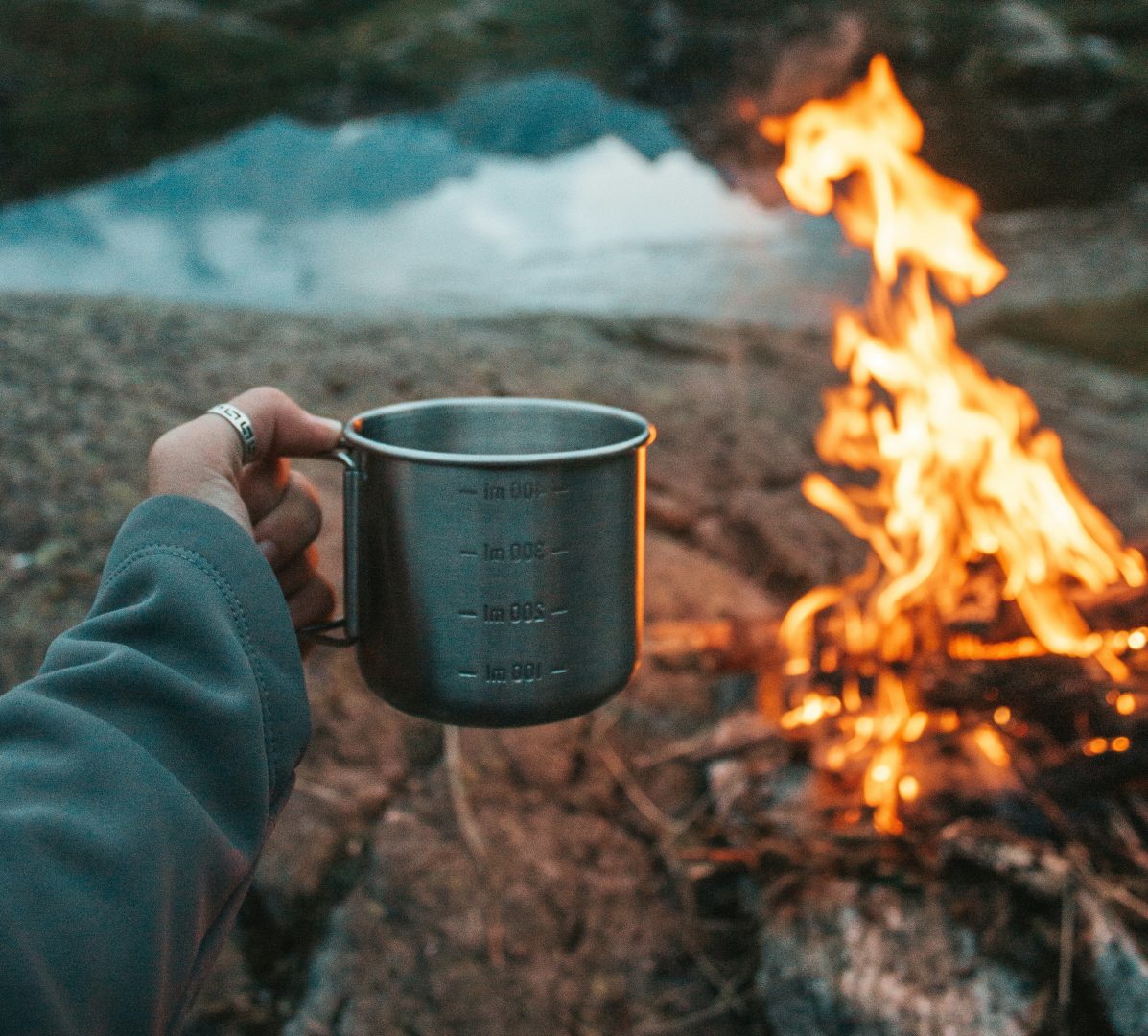
There’s something satisfying on a primal level about being out in nature, soaking in the heat of a bonfire while gazing up at the stars, finding a hidden trail, or appreciating a patch of moss deep in the forest. These are the very places we want to protect from plastic pollution, so it only makes sense that our gear and habits should match. The good news is that going plastic-free while camping doesn’t mean roughing it more than usual. A few swaps go a long way, and most of them also save you money in the long run.
Buy Once, Use Forever
Camping gear is notorious for containing a lot of sneaky plastic, including plastic tarps and disposable plastic tent stakes. It’s worth investing in reusable, durable gear you’ll use on repeated trips, such as:
Cookware and utensils: Swap out disposable plastic plates and cutlery for stainless steel, titanium, or bamboo sets. You’ll want to look for those that are lightweight and easily stackable so you can pack up easily.
Lighting: Consider rechargeable lanterns and headlamps instead of glowsticks or flashlights (if you do use flashlights, opt for rechargeable batteries).
Tarps and groundcloths: Look for canvas or waxed cotton instead of plastic tarps, which shed microplastics and break up fast under repeated hot sun exposure.
Water bottles and filters: Skip the cases of bottled water and go with a reusable food or medical-grade stainless steel bottle or tumbler. Paired with a good travel filter (or purification tablets) means safe water anywhere, with no plastic pollution along the trail.

Plan Ahead and Skip the Plastic Food Packaging
Meals are often when plastic piles up fastest on a camping trip, with plastic-wrapped snacks and utensils, baggies, plastic cups, and single-serve condiment packets. A little meal planning (and storage planning) goes a long way. Here are some tips to make the most of meals while on a camping trip:
Buy in bulk: Buy snacks, trail mix, and staples from bulk bins and pack them into reusable bags or containers.
Cook real food: Pre-chop veggies and portion meals at home to pack into reusable containers instead of relying on packaged, processed food packs. Try making your own granola bars, for example, and packing them in stainless steel containers in between cloth or beeswax wrap.
Don’t forget condiments: Small, reusable jars or containers are better than using a pile of plastic packets, where heat exposure could cause microplastics to leach into the liquid condiments.
Pack out what you pack in: Clean up after yourself, and aim to leave no trace in nature as a sign of respect. It’s worth mentioning that cigarette butts, plastic wrappers, and smaller plastic items are some of the most commonly littered items across America.
Small Habits, Big Impact

Beyond gear and food, a few other habits make plastic-free camping second nature:
Bring a trash and recycling bag specifically for separating any recyclables from trash, since most campsites don’t sort for you.
Choose natural fire starters like dry leaves, bark, or cotton balls with wax instead of plastic-wrapped fire starter cubes. *Important: Be careful to extinguish the fire when you’re finished. If you’re not sure how, check out this guide by Smokey Bear.
Do a “plastic audit” before you pack and lay out your gear. This helps you see what’s plastic that could be swapped for a different alternative.
Pack a reusable mesh or cotton bag to keep handy for foraging firewood, collecting trash along the trail, or packing up your gear.
The Big Focus

If too much of this list feels overwhelming, focus on swapping one thing at a time. Before long, plastic-free camping becomes normal, simply a habit built up over time. And plastic-free camping helps keep our National Parks and campsites as beautiful as we found them. Happy trails, and happy camping!
Take our pledge to reduce plastic pollution in your everyday life.