
Across the U.S., millions of Americans get their water from lead pipes, which contaminate drinking water and pose serious public health risks. And without safe tap water to drink, many people in affected communities rely on millions of bottles of costly, toxic chemical and material containing plastic bottled water—another major health hazard. In addressing the lead crisis, we must ensure one danger is not regrettably replaced for another.
Plastic Pollution Coalition (PPC) has been bridging this gap—advancing safe drinking water without plastic pollution while delivering measurable impact. The Filtered Not Bottled campaign:
- Successfully advocated for a stronger U.S. Environmental Protection Agency (EPA) rule to advance safe drinking water access;
- Distributed $100K to 10 organizations leading grassroots efforts, which provided over 970 filters and replacement cartridges to community members and avoids an estimated 3,573,480 single-use plastic water bottles from being used by households over a six month period;
- Reached an estimated audience of 26 million people with our communications; and
- Equipped policymakers with tools to implement real, non-toxic solutions
After reviewing decades of scientific knowledge showing that lead pipes are dangerous and advocates tirelessly calling for change, the Biden Administration passed the Bipartisan Infrastructure Law (BIL) in 2021, allocating $15 billion dollars to replace lead service lines. As a result, some families across the country began receiving notices that the water in their own homes could be flowing through toxic lead pipes requiring replacement.
However, the process to complete lead pipe replacements for all Americans needs more funding, and will take years, if not decades in some cities. Families need an interim solution for safe drinking water. PPC’s Filtered Not Bottled campaign stepped in to advocate for policymakers to provide safe water without plastic bottles and educate the public on ways to protect their health.
Local Action, National Results

Through our Filtered Not Bottled Grant Program, PPC funded $100K to 10 community organizations across six U.S. states. These organizations hand delivered over 970 filters and replacement cartridges at no cost to community members with lead pipes, providing clean water and peace of mind.
By just this small, but impactful water filter distribution: We estimate that at least 3,573,480 single-use plastic water bottles were avoided from being used by households over a six month period. With safe tap water, families no longer have to pay the high costs plastic water bottles pose to their wallets, their health, and the planet. Drinking plastic bottled water increases exposure to microplastics and plastic chemicals that have been linked to cancer, heart disease, hormone disruption, and other major health issues. Production of plastic bottled water, like all plastics production, pollutes air, food, soils, and waters, especially in the communities living on the fencelines of industrial facilities.
Direct community engagement and funding is a cornerstone of enhancing water equity. However, state and federal regulatory action is necessary for ensuring all Americans affected by lead pipes have safe water access. After years of advocacy from PPC and others concerned about safe drinking water for Americans, the EPA took a major step to expand water filtration with the 2024 Lead and Copper Rule Improvements (LCRI). Through this policy, water systems with multiple “lead action level exceedances” are required to make water filters certified to remove lead, along with replacement filter cartridges, available to all customers. In effect, the distribution and use of filters across the country could avoid the use of billions of plastic water bottles now and into the future.
Following the release of the LCRI, PPC continued to advocate for state policy that could go beyond this national regulation to ensure families, and in particular children, were proactively protected from lead and plastic exposure. PPC and groups in New Jersey successfully advocated for the passage of a “filter first” bill to fund water filter bottling stations and filter faucets in public schools. Bottled water use can often become habitual, and in some cases life long. Filters alternatively maintain a connection to public water systems and help us transition away from the current culture of “use once, then throw away.”
Tools to Enact Successful Filter Programs

Reaching communities through multiple channels—whether op-eds, social media, blogs, and grant partner-led local billboards and radio communications—has been critical for expanding awareness on the harms of lead and plastic, and driving solutions. Our opinion articles alone reached an estimated audience of 26 million people in 2025. We also distributed over 2,000 bilingual (English and Spanish) handouts to affected communities, providing essential information on filtering out lead, reducing reliance on plastic bottles where possible, and calling on the EPA to advance access to filtered water.
In addition, we released a comprehensive policy brief, Implementing In-Home Water Filter Programs that provides guidance to decisionmakers on how water filtration programs can be implemented to protect communities, and begin to rebuild trust in public water systems. The brief is the culmination of years of Filtered Not Bottled advocacy, research, and community engagement. It features best practices, resources, testimonials, and case studies that can drive the effective filter programs of tomorrow. Local advocates can carry on this work by using our Advocacy Toolkit: Protect Your Community from Toxic Lead and Plastic in Drinking Water.
Advancing water equity in the U.S. remains urgent, and we encourage policymakers, advocates, and communities to use our resources to take action.”
— Madison Dennis, Project Manager, Plastic Pollution Coalition
Looking Forward: Getting Plastics off Our Food and Drinks
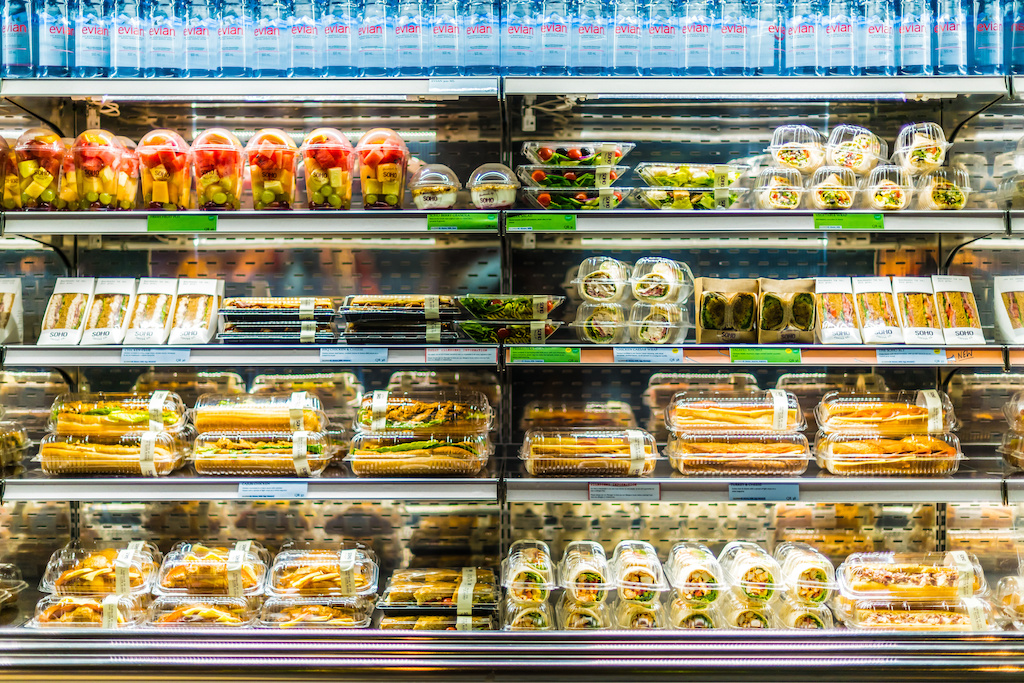
Plastic bottled water is just one piece of a much larger problem.
Building on our momentum from Filtered Not Bottled, we aim to reduce the use and pollution of all plastic food and beverage packaging. From microwave meals, plastic baby bottles to food storage containers, plastic wrapped produce, and to-go coffee cups, people are exposed to plastic particles and toxic chemicals every time they eat or drink from plastic.
Join us by signing the petition calling on legislators to get toxic plastic packaging off our food and drinks.