
UPDATE: On Sept. 22, Governor Gavin Newsom signed Senate Bill 1053, closing the loophole and banning all plastic bags offered at checkout, including “heavy-duty” plastic bags. The new law is set to take effect on January 1, 2026.
Good news in California: Two effective “fix-it” bills were introduced to finally eliminate loopholes in existing California plastic legislation by completely banning the distribution of plastic carryout bags in stores, and maintaining the 10-cent fee on paper bags. And in August, an ineffective “fix-it” bill that would have created more loopholes failed to pass in California. The bad policy bill, SB 1231, an amendment to SB 54, the “Plastic Pollution Prevention and Packaging Producer Responsibility Act,” would have been a significant step back and delay in implementing real regulatory solutions that are addressing false labeling of plastic as “recyclable” and weaken reporting of chemical additives in materials collected for recycling in the state of California.
These developments are part of the ongoing efforts of Plastic Pollution Coalition (PPC) and allied organizations to get the State of California to enforce existing plastic regulations and stop bad bills designed to undermine and delay implementation of plastic laws. PPC and other organizations are working together to monitor and engage in communications and support in these plastic pollution prevention legislative efforts.
10-Years Later: California Plastic Bag Ban Loopholes Almost Closed
It has taken 10 years since the initial passage of the California “Single-Use Carryout Bag Ban,” SB 270, in 2014, along with the passage of Prop 67 by California voters on 2016 (which banned the use and sale of plastic grocery bags and a fee for single-use paper bags), for loopholes allowing certain plastic bags to continue to be distributed to be closed. California’s plastic bag law had allowed for thicker “reusable” plastic bags, as well as plastic bags designated “recyclable in the state,” which they are not.
Now with the passage of two bills in the California Assembly and Senate, the law should finally be effective in banning single-use plastic bags. SB 1053 (Blackspear) and AB 2236 (Bauer-Kahan) have passed the CA Senate and Assembly floors. Both bills are identical; SB 1053 passed concurrence and is headed to the Governor’s desk to be signed. The Assembly version AB 2236 did not get the final concurrence vote needed before time ran out, but only one bill needs to be signed by the Governor to have a true ban on plastic bags in the state of California.
According to The Last Beach Cleanup, an estimated 2 billion plastic shopping bags are distributed in California each year. With the new “fix-it” legislation 10 years in the making, and with an additional two years until enforcement of SB 1053 after it is likely signed into law, that would be an estimated 24 billion plastic shopping bags distributed throughout California since the passage of the CA state plastic bag ban in 2014.
Bad Plastic Policy Bill SB 1231 Fails to Pass in California—But Loopholes Remain
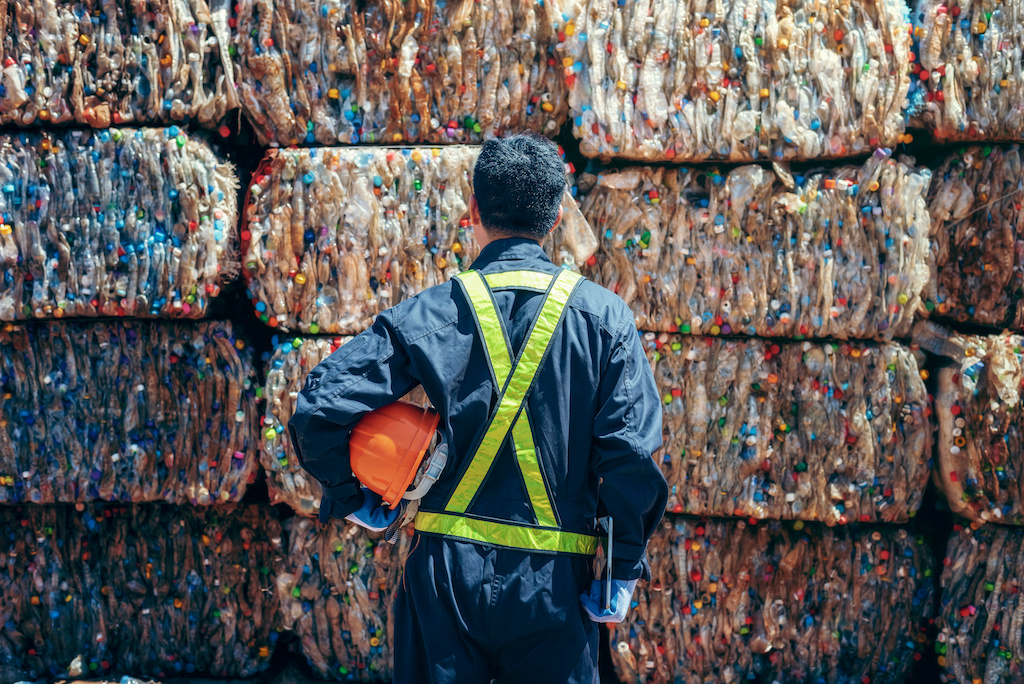
SB 1231 ultimately failed to pass in August while held on a suspense file, a process that takes into consideration the fiscal impacts of state legislation, likely due to California’s large budget deficit. The amendment had passed in a CA Assembly of Natural Resources Committee hearing, despite the collective efforts of PPC and other organizations to draw attention to issues with SB 1231 and the bigger loopholes to SB 54, which included a letter of opposition sent to the California Assembly Natural Resources Committee.
SB 1231 would have expanded existing loopholes into California’s SB 54 by making the state’s recycling language and processes more vague, weakening reporting of chemical additives in materials collected for recycling, and delaying implementation of recycling transparency standards. And while its failure to pass is a major win, serious loopholes remain in the state’s existing plastic legislation.
Plastic was never designed to be recycled. Unfortunately, SB 54 was built on the foundation of recycling plastic, and contains many loopholes for continued plastic use and production.
SB 54 is masked as an Extended Producer Responsibility (EPR) law, which is typically designed to hold industry accountable for the production, use, sale, and pollution of their wasteful single-use packaging. Designed as a law full of loopholes and giving a key role to the very industry it sets out to regulate, SB 54 is a law that continues to perpetuate the problem that it could help end—plastic pollution.
SB 54 is not a preemptive law, but it is problematic because it continues to be a cause for confusion and delay in passing and enforcing effective and meaningful plastic legislation on the local and state level.
— Jackie Nuñez, Plastic Pollution Coalition Advocacy and Engagement Manager
More “Fix-It” Bills Are Likely to Come
It’s likely that additional fix-it bills made to patch up SB 54 will be proposed in the coming months and years as more problems are identified with SB 54. It’s critical to make sure new legislation makes SB 54 more effective—not weaker, as SB 1231 would have made the law.
These “fix-it” bills and associated issues underscore the continued need for strong legislative and regulatory solutions from the start that address the plastic pollution crisis at the source, reduce plastic production and use, center environmental justice, extend producer responsibility by holding corporations accountable, and create policies that support a regenerative circular society free of plastic pollution and its toxic impacts.
Take Action
Governor Newsom has until September 30, 2024, to sign or veto “Plastic Bag Ban” SB 1053 and other bills. Sign the petition calling on Governor Newsom to put a final ban on all plastic bags in California.
Strong state legislation can help reduce plastic pollution in the U.S., but we need global action to solve the crisis. With the U.S. joining the fold of countries calling for a cap on production, there is renewed hope for stopping plastic at the source and keeping this critical issue on the table. Please help us continue to apply pressure on the U.S. Government and world leaders as we call for a UN Plastics Treaty that centers the health of people and the planet—not the interests of polluters—by turning off the plastics tap and supporting real solutions.


